ABOUT THE ISLANDS
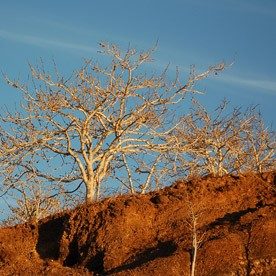
Each island within the Galápagos has its own distinct character. From rugged lava fields and towering volcanic craters to white-sand beaches and lush highlands, the diversity of environments is remarkable. Likewise, the wildlife varies from island to island, creating ecosystems that are both fragile and fascinating. The following descriptions highlight some of the most notable islands in the archipelago, exploring their landscapes, ecological significance, and the species that define them.
North Seymour Island
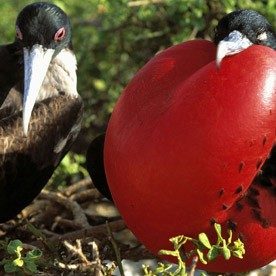
Galapagos Sea Lions, Blue-footed Boobies and Magnificent Frigatebirds are abundant on North Seymour Island. The island was formed by a series of submarine lavas containing layers of sediment that were uplifted by tectonic activity. The island is characterized by its arid vegetation zone.
- Highlights: Land & marine iguanas, frigatebirds, Blue-footed Boobies, sea lions; snorkeling: Rays, reef sharks, fish, garden eels.
- Activities: Snorkeling, dinghy ride & hiking (1.5 mi/2.5 km)
- Type of Landing: Dry landing
- Difficulty: Moderate/difficult
South Plaza Island
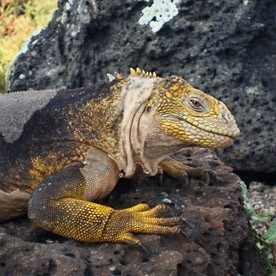
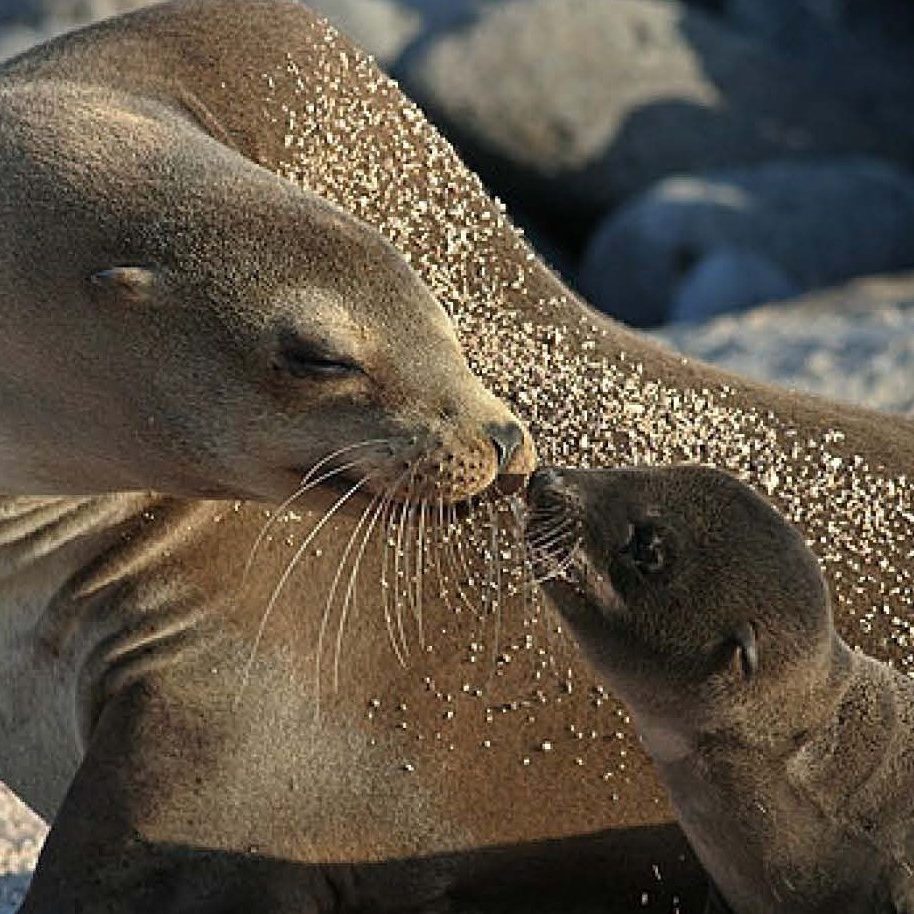
.This small island with steep cliffs was formed by rising lava and is now covered by Opuntia cacti. It is also home to one of the largest sea lion colonies as well as colorful yellow and red land iguanas. The most characteristic plant is the Sesuvium. During the rainy season its color is a greenish to yellowish tone and in the dry season (end of June through January) a bright red.
- Highlights: Land iguanas, sea lion colony, Audubon´s shearwaters, Swallow-tailed Gulls, Nazca Boobies, amazing landscape with cliffs
- Activities: Hike (2 ½ km /1.55 mi)
- Type of Landing: Dry landing
- Difficulty: Moderate
San Cristóbal Island
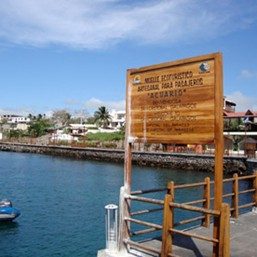
San Cristóbal is home to a small town, Puerto Baquerizo Moreno, and the Junco Lagoon, located 700 meters above sea level. El Junco has been the object of a study in which the sediments on the bottom of the lake were analyzed to uncover information about the vegetation and climate of the archipelago thousands of years ago.
- Facts: San Cristobal is the only island where three different species of Booby Birds and the Great Frigatebird can be seen nesting in the same area.
- Animals: Blue-Footed, Nazca, and Red-footed Boobies, frigatebirds
- Area: 1.9 sq. mi
- Highest Point: 1204 ft
- Visitor sites: Intrepretation Center, Kicker Rock, Lobos Island, Pitt Point, Tijeretas Hill, Witch Hill, El Junco Lagoon.
San Cristóbal Island
Pitt Point
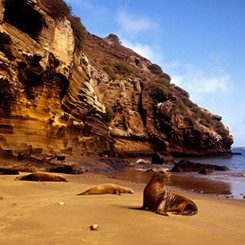
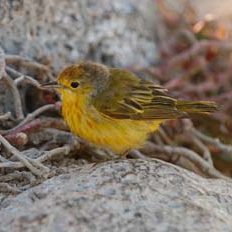
Pitt Point, situated on the north-eastern tip of the island, hosts frigatebirds, storm petrels, and all three types of Booby Birds: the Nazca, Blue-footed and Red-footed Boobies. A steep trail goes up a cliff and through a ravine leading visitors to an area with an abundance of birds. This site is also great for snorkeling and scuba diving.
- Highlights: Wonderful landscape, sea lion colony, three possible species of Boobies.
- Activities: Dinghy ride, snorkeling, kayaking & hike (1.55 mi/2.5 km)
- Type of Landing: Wet landing
- Difficulty: Moderate/difficult
San Cristóbal Island
Witch Hill
Located on the northern coast, this eroded hill and its surroundings present one of the most picturesque beaches in the Galapagos with its white powdery sand and the abundance of animals. Wildlife includes sea turtles, rays, and various types of Booby Birds. The clear water provides an excellent opportunity for enjoying swimming and snorkeling.
- Highlights: Beautiful rock formations, sea lions, shore birds, finches and mockingbirds; snorkeling: nice tropical fish, anemones, sponge coral
- Activities: Hike, dinghy ride, snorkeling & kayaking
- Type of Landing: Wet landing
- Difficulty: Easy walk along the beach
San Cristóbal Island
Interpretation Center and Galapaguera
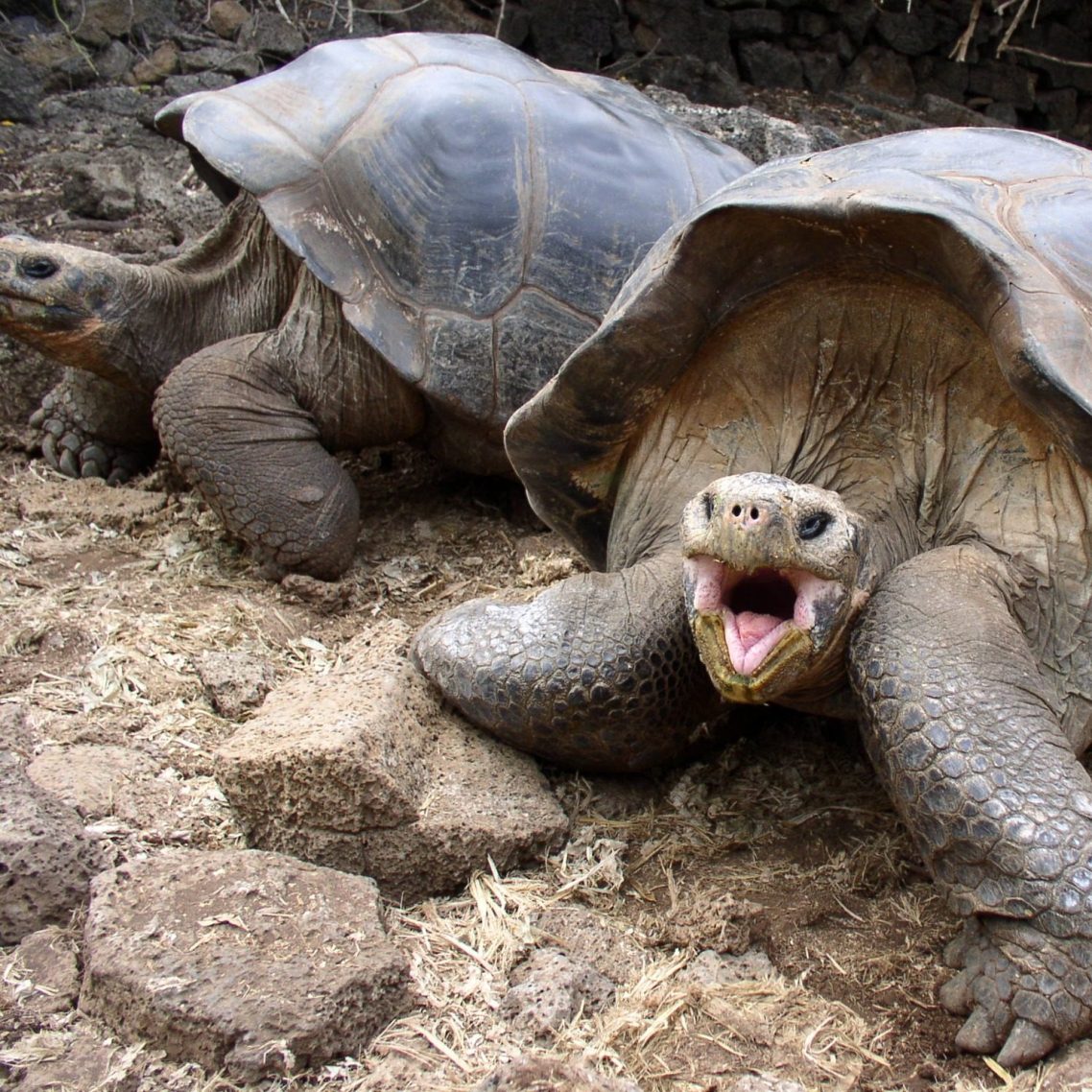
The Interpretation Center was opened in 1998 as a phase of the project “Interpretation and Environment Education Project.” Visitors enjoy expositions on natural history, human history, and conservation. The conservation efforts represent the movement to protect the wildlife and natural environment through means of population and tourist control. The Interpretation Center has an outdoor stadium, audio-visual equipment, and meeting rooms.
- Highlights: Giant tortoises in captivity, land birds
- Activities: Short walk
- Type of Landing: Dry landing
- Difficulty: Easy
San Cristóbal Island
Tijeretas Hill
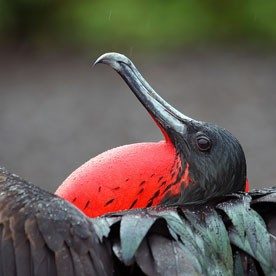
This hill provides visitors with an impressive view of the bay from one side and the town from the other. The area is also great for observing both the Magnificent and Great Frigatebirds and a diverse array of flora. The site also offers safe snorkeling and swimming.
- Highlights: Frigate birds, cacti, red mangroves
- Activities: Snorkeling, swimming
- Type of Landing: Dry Landing
- Difficulty: Easy
San Cristóbal Island
Kicker Rock
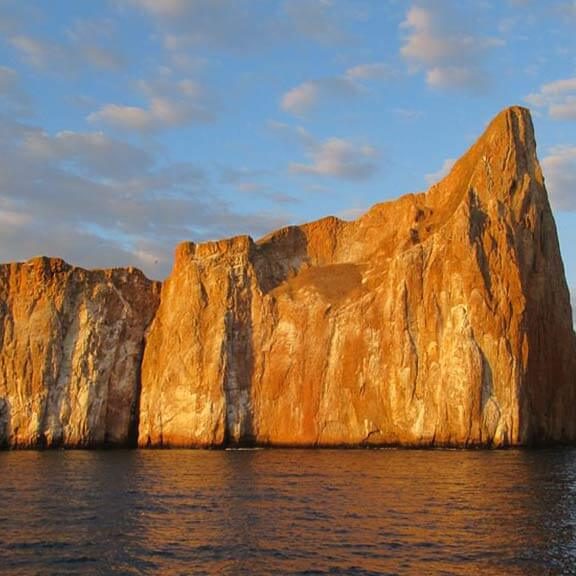
This striking rock formation is located a couple hours off the western shore of San Cristobal. Jutting out of the water, the rocks stand vertically at hundreds of feet above the ocean divided by a small channel. Although there are no landing areas, kayaking and scuba diving allow visitors to spot a variety of marine life.
- Highlights: Great snorkeling: sharks, tropical fish, turtles, manta rays (occ.), hammerhead sharks, spectacular rock formations; sea birds: Blue-footed Boobies, Nazca Boobies & frigatebirds.
- Activities: Snorkeling & dinghy ride
- Type of Landing: No landing
- Difficulty: Easy
San Cristóbal Island
Lobos Island
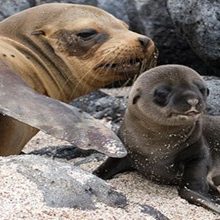
The name of this island means ¨Sea Lion Island¨. This appropriately named island is ripe with noisy, frolicking, jolly sea lions who will welcome you to their home with open, well, fins. This island also offers great snorkeling opportunities as well as the chance to see Blue-footed and Nazca Boobies.
- Highlights: Snorkeling with sea lions, frigatebirds, Blue-footed Boobies
- Activities:Short hike (less than 0.6 mi/1 km), dinghy ride and/or snorkeling.
- Type of Landing: Dry landing
- Difficulty: Easy/moderate
Española Island
Osborn Islet
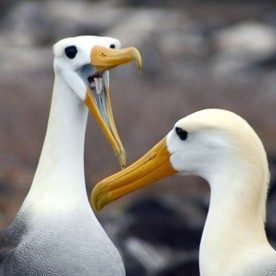
Española Island is located at the extreme southeast of the archipelago. Relatively flat with small hills, a group of geologists found signs of volcanic activity in the 1980s. Vegetation on the island includes many thorny plants and native animals include the waved albatross, marine iguanas, and lava lizards. Osborn Islet is located southeast of Gardner Bay, near Spanish Island.
- Facts: Espanola Island’s English name is “Hood” Island.
- Animals: Lava lizards, marine iguanas, mockingbirds, waved albatrosses
- Area: 23 sq. mi
- Highest Point: 675.6 ft
- Visitor Sites: Suárez Point, Gardner Bay.
Española Island
Gardner Bay
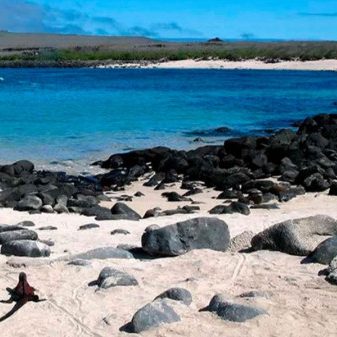
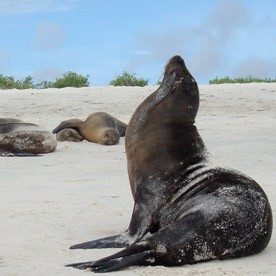
Gardner Bay, on the eastern side of the island, is the breeding site of nearly all of the world´s 12,000 pairs of Waved Albatrosses. It has an ample white sandy beach with a myriad of sea lions, perfect for relaxing. Its rocky shores make this site a great place for diving and snorkeling.
- Highlights: White sandy beach, sea lions, mockingbirds; snorkeling: colorful fish, sea lion nursery
- Activities: Snorkeling, dinghy ride, kayaking, short hike of (0.6 mi/1 km)
- Type of Landing: Wet landing
- Difficulty: Easy
Española Island
Suárez Point
This area is great for spotting Blue-footed Boobies, albatrosses and Nazca Boobies. A beautiful site on the ocean front, the large Waved Albatrosses use the cliff as a launching pad. The famous attraction is the magnificent blowhole, spurting water high into the air. This site presents wonderful photograph opportunities.
- Highlights: Hood Mockingbird, Nazca Boobies, Waved Albatross, Red-billed tropicbirds, lava lizards, Galapagos Hawk, Blue-footed Boobies, blow hole, amazing landscape
- Activities: Hike (1.9 mi/3 km)
- Type of Landing: Dry Landing
- Difficulty: Difficult
Santa Cruz Island
Santa Cruz Highlands
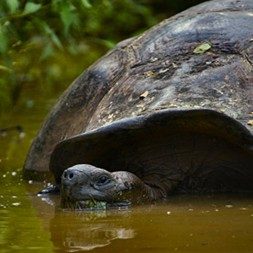
Reached by bus from Puerto Ayora, the highlands of Santa Cruz are a deep green, contrasting beautifully with much of the dry, lower islands. The dominant vegetation in the highlands is the Scalesia trees, creating the lush green color. The lava tubes, over half a mile long, are underground and walking through them is a unique, surreal experience.
- Highlights: Lava tunnels, wild tortoises, tortoise breeding center.
- Activities: Hike (1.5 mi/ 2 ½ km)
- Type of Landing: Dry landing
- Difficulty: Moderate (Long)
Santa Cruz Island
Charles Darwin Station
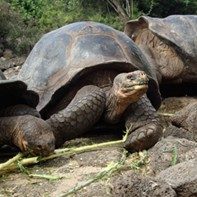
The Charles Darwin Research Station is home to tortoises ranging from 3-inches (new hatchlings) to 4-feet long. Sub-species of tortoises interact with one another and many of the older tortoises are accustomed to humans, stretching out their heads for a photo opportunity. The babies are kept until they are about four years old and strong enough to survive on their own.
“Turtles” live in water and “tortoises” live on land. You cannot touch the tortoises (or any other animals) on Galapagos.
- Highlights: Giant Tortoises in captivation
- Activities: Walking
- Type of Landing: Dry landing
- Difficulty: Easy
Santiago Island
Egas Port
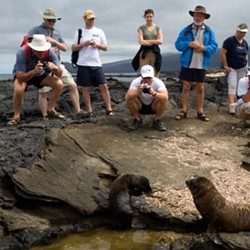
Also known as James Bay, Egas Port is home to the curious Galapagos Hawks and Quick-footed Galapagos Lava Lizards. The trail leads to a coastline with gorgeous tide pools and grottos full of fauna. Here the Galapagos Fur Sea Lions bathe in the sun. This is also a great snorkeling site.
- Highlights: Fur sea lions, Galapagos Sea Lions, tidal pools and “grottos”, Galapagos Hawk, oyster catchers, marine iguanas, finches; snorkeling: reef sharks, turtles, rays, nice underwater formations.
- Activities: Snorkeling, hiking (1.25 mi/2 km)
- Type of Landing: Wet landing
- Difficulty:Easy /moderate
Santiago Island
Espumilla Beach
Espumilla Beach is a popular place for marine iguanas and Sally Lightfoot Crabs. The crabs attract the hunting herons, performing the dance of predator and prey. With an abundance of marine life including octopi, moray eel, and shark, snorkeling is highly recommended.
- Highlights: Snorkeling
- Activities: Snorkeling and swimming
- Type of Landing: Wet landing
- Dificulty: Easy
Santiago Island
Buccanner Cove
Buccaneer Cove is a testament to the fact that Santiago Island was once a refuge for British buccaneers. These pirates would anchor in the protected bay to make repairs and stock up on tortoise meat among other things. The steep cliffs, where hundreds of seabirds perch in front of the dark red sand beach, are a magnificent site.
- Highlights: Sea birds, historical site, snorkeling, rock formations
- Activities: Short walk along the beach (less than 0.6 mi/1 km)
- Type of Landing: Wet landing
- Difficulty: Easy
Bartolomé Island
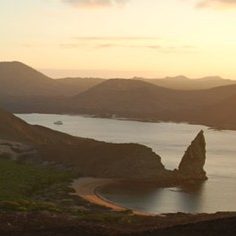
Home to the famous Pinnacle, Bartolomé has an extinct volcano and volcanic formations in a variety of colors, including red, orange, and green. A stairway leads to the top of the volcano, revealing one of the best views on the island.
The beach is ideal for snorkeling and offers the opportunity to observe Galapagos penguins.
- Highlights:Pinnacle, panoramic view, lunar landscape, pioneer plants, lava cacti, snorkeling: penguins, reef sharks, rays, and colorful fish.
- Activities: Boat ride, diving, and excursions (1.25 miles/2 km)
- Type of Landing: Beach and harbor
- Difficulty: Moderate/difficult. Walk to the top of the volcano 114 meters, 375 wooden steps
Santa Fe Island
Santa Fe (Barrington) is home to the small picturesque bay and anchorage on the island’s northeast coast. The bay has two visitor trails, one leading to a scenic viewpoint atop a cliff, and the other spanning from a small beach to a tall prickly pear cactus forest
- Highlights: Land Iguanas, giant tunas
- Activities: Hiking
- Type of Landing: Dry landing
- Difficulty: Moderate
Floreana Island
Floreana, officially “Santa María,” is located at the far south of the archipelago. Famous for its Post Office and the nearby Devil’s Crown formation, the island is associated with a strange and curious history of its inhabitants. Snorkeling around this area is one of the best in the Galapagos
- Facts: The official name of the island is “Santa María” and its English name is “Charles,” but it is most commonly known as “Floreana.”
- Animals: Flamingos, sea turtles
- Area: 67 sq. mi
- Highest Point: 2,099 ft
- Visitor Sites: Baroness Viewing Point, Cormorant Point, Devil´s Crown, Rabida Island
Floreana Island
Baroness Viewing Point
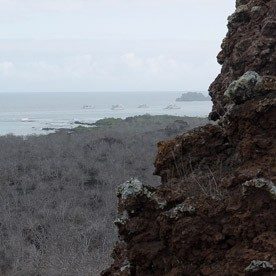
Baroness Viewpoint is a fantastic place to absorb the environment of the Galapagos. Once inhabited by an indulgent Baroness and her three lovers, the history of this island is intriguing. The legends about this baroness are associated with a fascinating murder mystery. There are easy trails in this area for exploring the flora and fauna of Floreana.
- Highlights: Great view, sea turtles, mysterious story about the first inhabitants of the islands
- Activities: Short hike (0.6 mi/1 km)
- Type of Landing: Wet landing
- Difficulty: Easy
Floreana Island
Cormorant Point
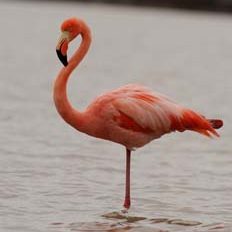
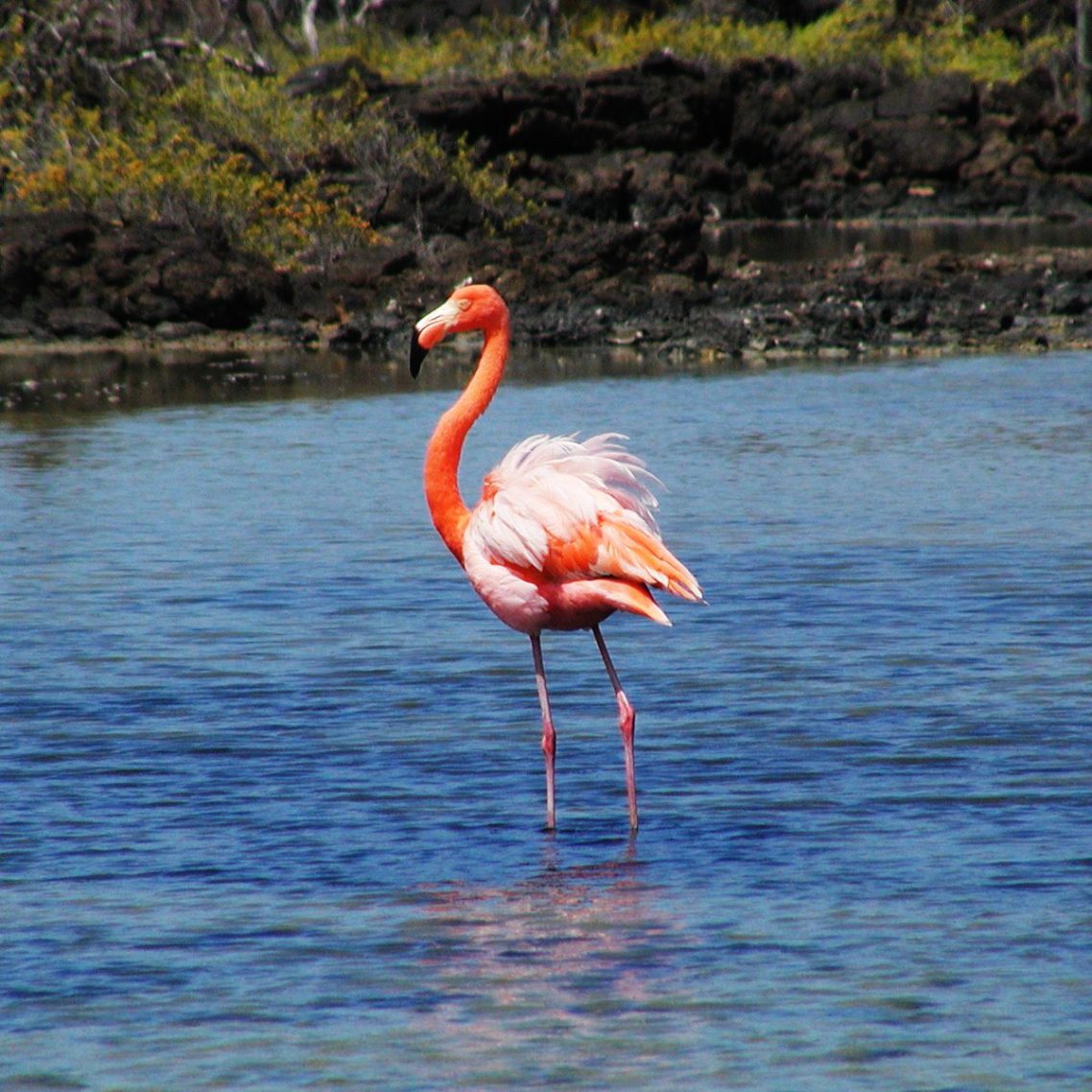
This site hosts a large flamingo lagoon where other birds such as common stilts, White-cheeked Pintails can also be seen. The beaches on this island are distinct: The “Green Beach” named so due to its green color, which comes from a high percentage of olivine crystals in the sand, and the “Four Sand Beach” composed of white coral.
- Highlights: Flamingoes, green-colored beach
- Activities: Dinghy ride & hike (1.25 mi /2 km)
- Type of Landing: Wet landing
- Difficulty: Easy
Floreana Island
Devil´s Crown
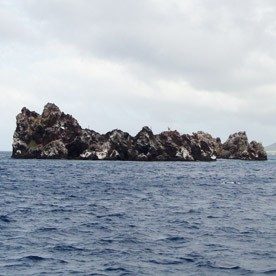
One of the best snorkeling sites in the Galapagos, this volcanic crater has been eroded by the waves leaving the northern and southern sides poking out of the water. The coral reef in the middle is perfect for attracting marine life. Snorkelers enjoy the variety of marine life and exciting currents that rush through the crown, creating an exhilarating experience.
- Highlights: The best snorkeling site in Galapagos Islands with sharks, rays, rock formations, lots of tropical fish.
- Activities: Snorkeling
- Type of Landing: No landing
- Difficulty: Moderate/difficult
Rabida Island
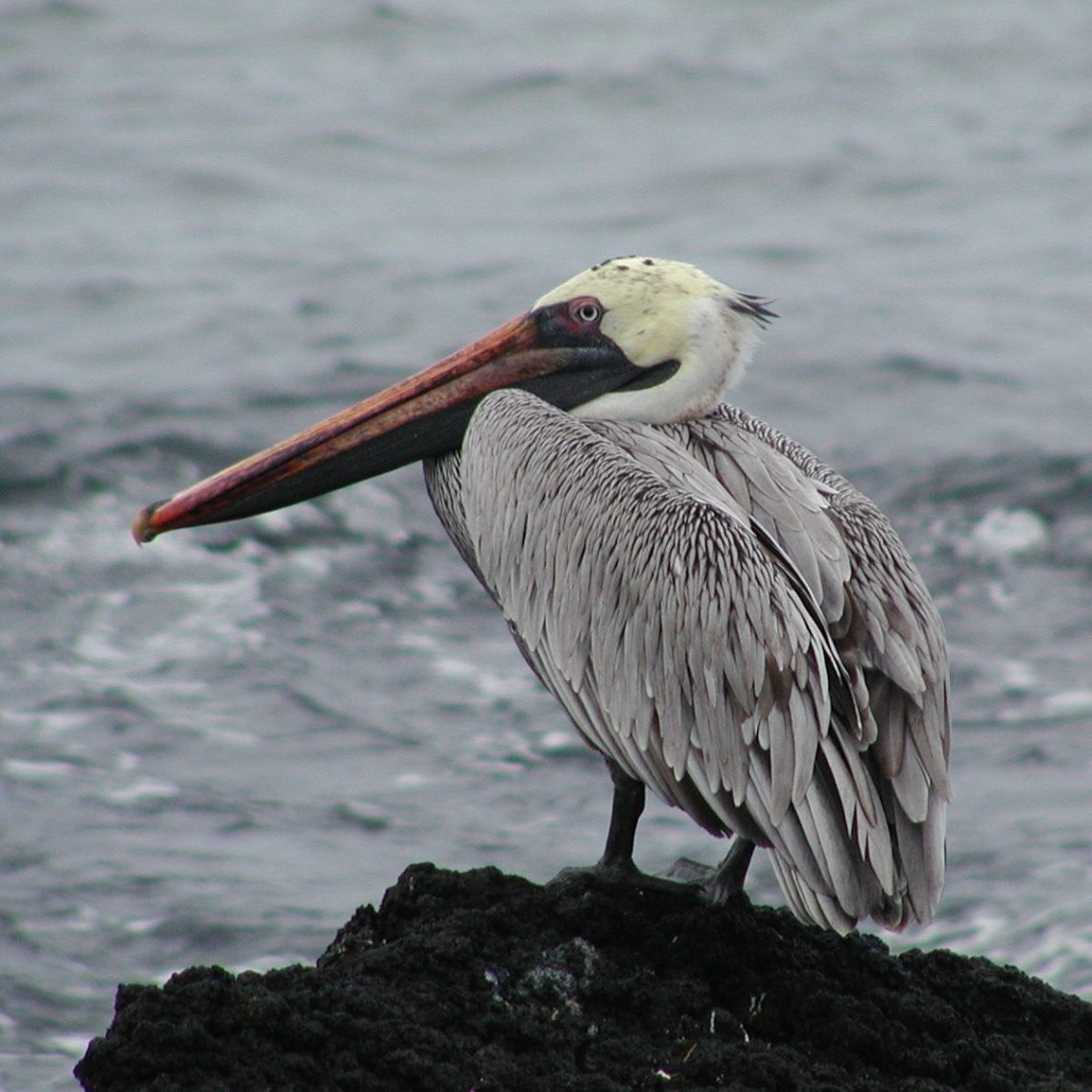
Rabida Island (Jervis) is one of the most colorful and volcanically varied islands in the archipelago and a great snorkeling site. Its famous maroon sandy beach and stunning lookouts provide wonderful landscapes. The island is a birdwatcher’s delight. Some of the rarest species are in abundance, such as nine varieties of finches, Large-billed Flycatchers, Galapagos Hawks and Brown Pelicans.
Highlights: Snorkeling: White-cheeked Pintail ducks, colorful fish, sea lions, brackish water lagoon, penguins, Galapagos Hawk
- Activities: Snorkeling, dinghy ride & short hike (0.6 mi /1 km)
- Type of Landing: Wet landing
- Difficulty: Easy/ moderate